The Art Of Making Money – A Guide To Leveraging AI In The Digital Art Marketplace
Many artists today are turning to Artificial Intelligence to not only create stunning digital artworks but also to maximize their profits in the competitive digital art marketplace. This guide explores the powerful ways in which AI can be leveraged to streamline the creation process, optimize marketing strategies, and connect with a wider audience of art enthusiasts. By understanding the potential of AI tools and techniques, artists can stay ahead of the curve and capitalize on the opportunities available in the ever-evolving digital art landscape.
Key Takeaways:
- AI technology is reshaping the digital art marketplace: AI is revolutionizing the way art is created, marketed, and sold, offering new opportunities for artists and collectors alike.
- Personalization and curation are key: AI can analyze vast amounts of data to personalize recommendations for art lovers and help curators discover emerging talent.
- NFTs are changing the game: Non-fungible tokens (NFTs) have unlocked new possibilities for digital artists to monetize their work and establish ownership securely and transparently.
- AI-driven pricing tools enhance transparency: By using algorithms to analyze market trends, artists can determine the value of their work more effectively and buyers can make more informed decisions.
- Collaboration between artists and AI: Artists can leverage AI tools to enhance their creativity, streamline their workflow, and reach a wider audience, leading to new forms of artistic expression.
- Ethical considerations in AI use: As AI becomes more prevalent in the art world, it’s important to address ethical concerns around data privacy, algorithm biases, and the impact on traditional art practices.
- Education and upskilling are crucial: Artists and art professionals need to stay informed about AI advancements, develop new skills to use these technologies effectively and adapt to the evolving digital art landscape.
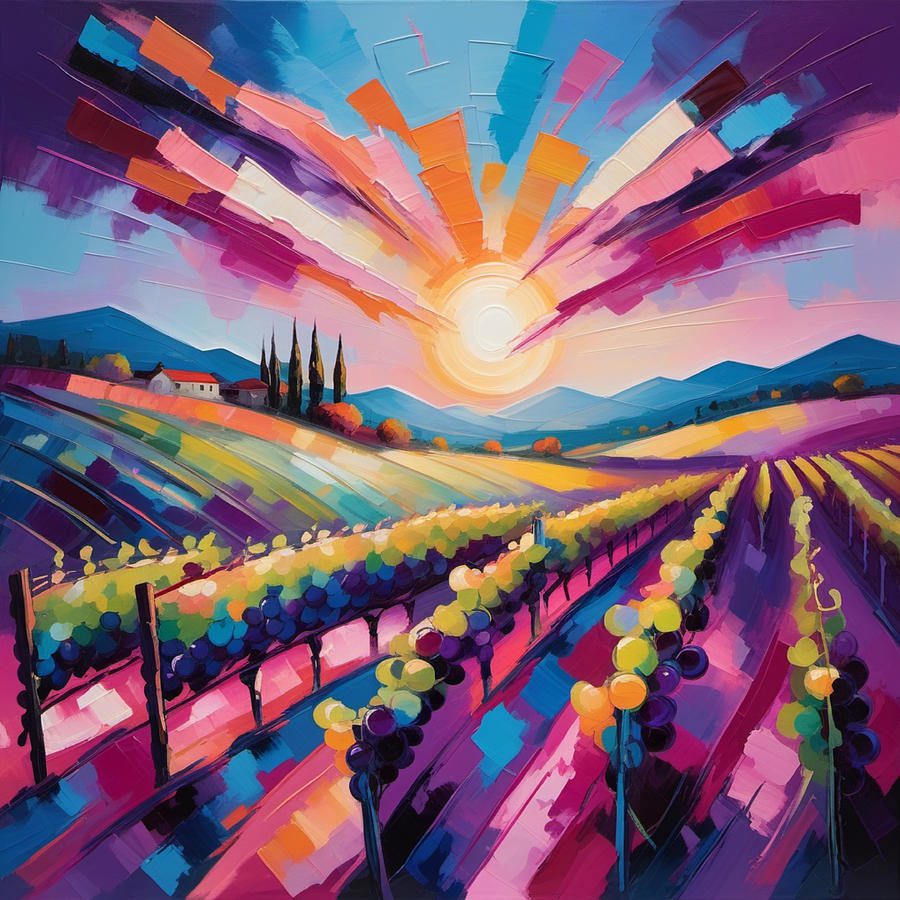
Understanding AI in Art Creation
Some of the most exciting advancements in the digital art world have come from the integration of artificial intelligence (AI) into the art creation process. AI technology has significantly impacted the way artists work and has opened up new possibilities for creativity and innovation. Understanding how AI is utilized in art creation is important for artists looking to leverage this powerful tool in the digital art marketplace.
RELATED CONTENT – Maximize Your Earnings With AI Art Licensing
RELATED CONTENT – Start Your Career as an AI Artist – Read our Guide
Types of AI-Generated Art
Some of the main types of AI-generated art include neural art, style transfer, and generative adversarial networks (GANs). These techniques allow AI to analyze existing artworks, learn their styles, and then generate new pieces based on that knowledge. Assume that AI-generated art can range from realistic paintings to abstract compositions, offering a wide variety of creative possibilities.
| Neural Art | AI analyzes styles of existing art and generates new pieces based on that. |
| Style Transfer | AI applies the style of one image to another, creating a unique artistic blend. |
| Generative Adversarial Networks (GANs) | AI generates new images by competing against itself, creating diverse and original artworks. |
Factors Influencing AI Art Quality
Some of the key factors that influence the quality of AI-generated art include the dataset used for training, the complexity of the algorithm, and the level of human input. These elements play a crucial role in determining the realism, creativity, and coherence of AI-generated artworks. Recognizing these factors can help artists understand how to improve the quality of their AI-generated art.
An important aspect to consider is the quality of the training data that the AI algorithm is exposed to. Factors such as the size, diversity, and relevance of the dataset can significantly impact the output quality of AI-generated art. Recognizing the importance of training data can help artists optimize their AI models for better results.
Pros and Cons of Using AI for Art Production
Using AI for art production comes with a unique set of advantages and challenges that artists should consider. Below is a breakdown of the pros and cons of leveraging AI technology in the art creation process:
| Pros | Cons |
| Enhanced creativity and inspiration | Loss of human touch and emotion in artworks |
| Efficiency and time-saving | Limitations in originality and uniqueness |
| Exploration of new artistic styles | Dependency on technology for art creation |
| Ability to generate large volumes of art | Risk of art plagiarism and copyright issues |
Using AI technology in art production can revolutionize the creative process for artists, providing new opportunities for experimentation and innovation. Artists need to weigh the pros and cons of utilizing AI in their artwork creation and find a balance that works best for their artistic goals and vision.
Navigating the Digital Art Marketplace
After mastering the art of creating AI-generated art, the next step is learning how to navigate the digital art marketplace effectively. Selling art online can be a rewarding venture, but it requires a strategic approach to stand out in a competitive market.
Tips for Selling AI-Generated Art Online
Selling AI-generated art online can be a profitable endeavor if done right. Here are some valuable tips to help you succeed in the digital art marketplace:
- Quality: Ensure that your AI-generated art is of high quality to attract buyers.
- Promotion: Use social media and online platforms to promote and showcase your art.
- Pricing: Research the market and set competitive prices for your AI-generated art.
- Engagement: Interact with your audience and potential buyers to build a loyal following.
Knowing your target audience and understanding their preferences is key to successfully selling AI-generated art online.
Step-by-Step Guide to Marketing Your Digital Creations
StepbyStep
| Create a Portfolio | Market Your Art |
| Showcase your digital creations in a professional portfolio to attract potential buyers. | Utilize social media, online galleries, and art platforms to reach a wider audience. |
Marketing your digital creations effectively is vital for gaining visibility and driving sales in the digital art marketplace.
AI-Generated
| Data Security | Originality |
| Protect your AI-generated art from data breaches and unauthorized use. | Ensure that your digital creations are unique and not infringing on any copyrights. |
Monetization Strategies
To truly maximize your revenue potential in the digital art marketplace, it’s important to explore various monetization strategies. These strategies can help you generate a steady income stream while expanding your reach and establishing a strong presence in the industry.
Leveraging AI for Custom Artwork
Monetization – In the digital art world, leveraging AI for custom artwork can be a game-changer. AI-powered platforms can analyze customer preferences and create personalized art pieces tailored to their specific tastes. By offering custom art services powered by AI, you can attract a broader audience and command higher prices for your work.
With the advancement of AI technology, artists can now efficiently produce custom artwork at scale. These AI-generated pieces can cater to individual preferences, making them highly desirable among art enthusiasts looking for unique and personalized pieces. By incorporating AI into your creative process, you can streamline production, reduce costs, and increase your earning potential.
Creating a Passive Income Stream with Digital Art
With the rise of digital art marketplaces and NFTs, artists now have the opportunity to create a passive income stream by selling their work online. By minting your artwork as NFTs, you can earn royalties every time your piece is sold or traded, providing a long-term source of income. This passive income model allows artists to focus on creating new art while still earning money from their previous works.
A successful passive income stream requires consistent promotion of your digital art and engagement with your audience. By building a strong online presence and cultivating a loyal following, you can attract collectors and investors interested in purchasing your NFTs. Additionally, participating in art galleries, exhibitions, and online marketplaces can help increase visibility and drive sales for your digital art pieces.
Staying Competitive in the AI Art Scene
Continual Learning and Adaptation
Competitive edge in the AI art scene is not just about creating stunning artwork; it also involves continual learning and adaptation. As AI technology evolves rapidly, artists must stay updated with the latest advancements to remain relevant and competitive. This requires a commitment to ongoing education and keeping abreast of emerging trends in the AI art space.
By embracing a mindset of continual learning, artists can expand their skill set and experiment with new techniques and tools. This willingness to adapt to the changing landscape of AI art not only enhances the quality of their work but also sets them apart from competitors who may be resistant to change.
Building a Brand Around AI-Enhanced Artworks
AI-enhanced artworks have the potential to revolutionize the art world, offering artists a unique opportunity to build a brand around their AI-driven creations. By leveraging the power of AI to enhance their artistic vision, artists can create distinctive pieces that resonate with collectors and enthusiasts alike. This differentiation in the market can elevate an artist’s brand and attract a loyal following of supporters.
In a crowded digital art marketplace, establishing a brand around AI-enhanced artworks can help artists stand out and command higher prices for their creations. Through strategic marketing and a consistent artistic style, artists can cultivate a strong brand identity that is synonymous with innovation and creativity.
Staying competitive in the AI art scene requires a multifaceted approach that includes continual learning, adaptation, and the strategic building of a brand around AI-enhanced artworks. Artists who embrace these strategies and stay at the forefront of AI technology are well-positioned to thrive in an increasingly competitive and dynamic digital art marketplace.
FAQ
- What is AI art, and how does it differ from traditional art?
- AI art refers to artworks created or assisted by artificial intelligence algorithms. Unlike traditional art, which is solely crafted by human hands, AI art often involves collaboration between human artists and AI systems.
- How can AI be used to create art?
- AI can generate art through various techniques, such as neural style transfer, generative adversarial networks (GANs), and deep learning algorithms trained on vast datasets of images.
- What are the benefits of using AI in creating art?
- AI can aid artists in generating new ideas, exploring different styles, and accelerating the creative process. It also opens up possibilities for generating unique and complex artworks that may not be achievable through traditional methods alone.
- How can artists monetize AI-generated art in the digital marketplace?
- Artists can monetize AI-generated art by selling digital prints, licensing their artwork for commercial use, creating limited editions or NFTs (non-fungible tokens), and offering commissioned pieces or customizations.
- What platforms or marketplaces are available for selling AI art?
- There are various online platforms and marketplaces specifically tailored for selling digital art, including platforms that support NFTs like OpenSea, Rarible, and Foundation, as well as traditional art marketplaces like Etsy, Saatchi Art, and ArtStation.
- How can artists stand out in a crowded digital marketplace?
- Artists can stand out by developing a unique artistic style, engaging with their audience on social media platforms, collaborating with other artists or influencers, participating in art exhibitions or events, and continually experimenting with new techniques and technologies.
- What legal considerations should artists be aware of when selling AI-generated art?
- Artists should be mindful of copyright issues, ensuring they have the right to use any source material or datasets incorporated into their AI-generated artwork. Additionally, artists should consider creating clear licensing agreements and terms of use for their digital art to protect their intellectual property rights.
- How can artists price their AI-generated artwork effectively?
- Pricing AI-generated artwork involves considering factors such as the artist’s reputation and experience, the uniqueness and complexity of the artwork, the medium and format of the artwork (e.g., digital print, NFT), market demand, and comparable sales in the art market.
- What are some trends shaping the AI art market currently?
- Trends in the AI art market include the rise of NFTs as a new form of digital ownership and provenance, the increasing adoption of AI tools by artists and collectors, collaborations between artists and technologists, and the exploration of AI-generated art in virtual and augmented reality environments.
- What are the ethical implications of AI-generated art in the digital marketplace?
- Ethical considerations surrounding AI-generated art include questions about authorship, creativity, and the potential for bias or misuse of AI algorithms. Artists and technologists must engage in ongoing dialogue and critical reflection to address these ethical challenges responsibly.
To wrap up
Taking this into account, leveraging AI in the digital art marketplace can be a powerful tool for artists looking to explore new creative possibilities and reach a wider audience. By utilizing AI tools, artists can enhance their workflow, generate new ideas, and even create unique pieces that resonate with buyers. To further explore selling AI art and making money in the digital art marketplace, check out 7 Platforms to Sell Your AI Art and Make Money – Bootcamp for additional insights and opportunities. Embrace the possibilities of AI in your artistic journey and unlock its full potential in the digital art world.