Can AI Art Become Illegal?
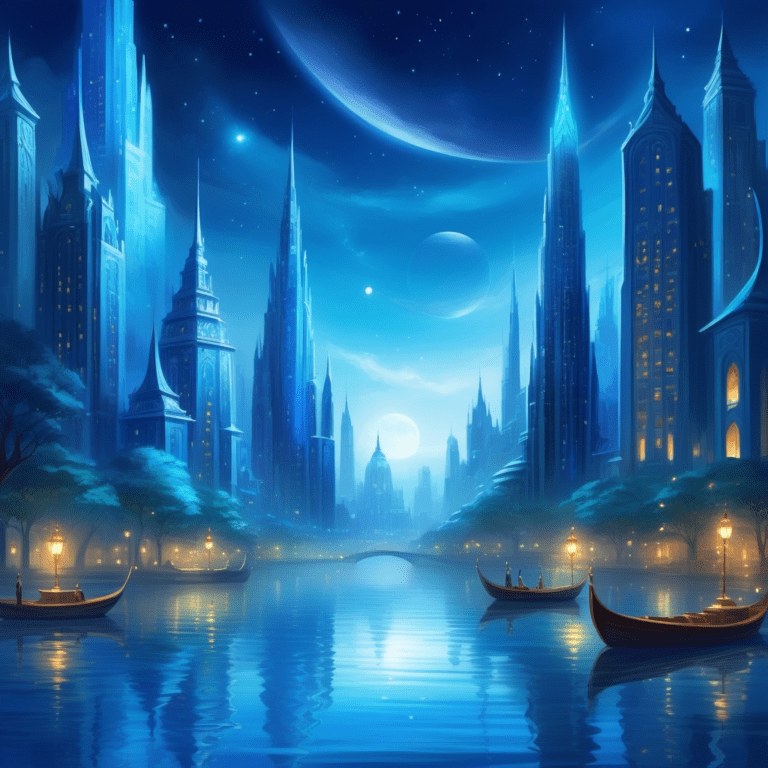
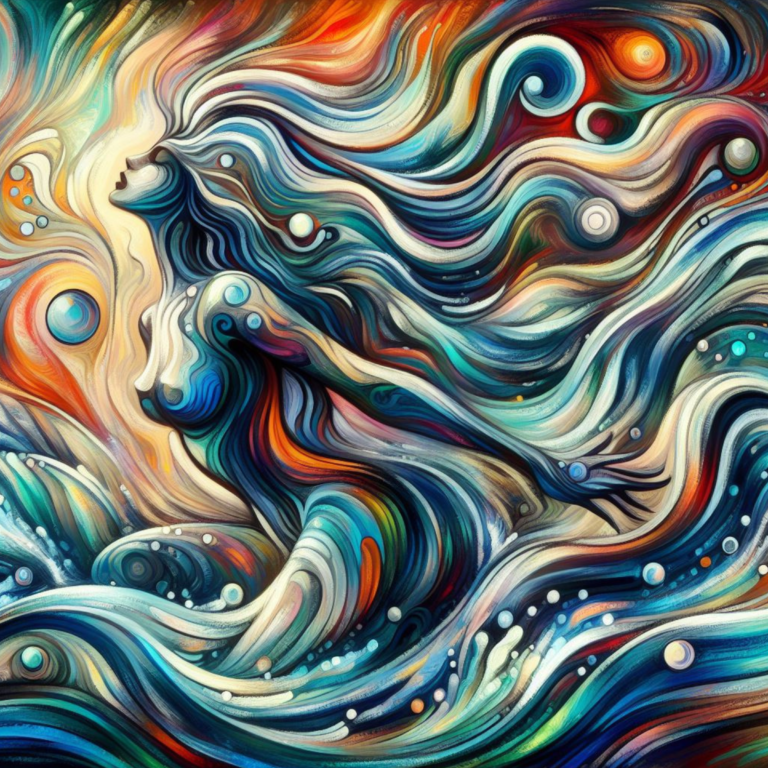
Artificial Intelligence (AI) has transcended its initial role as a mere tool for automation and computation to become a burgeoning force in the realm of creativity. AI art, also known as algorithmic art or generative art, encompasses artworks created or assisted by AI algorithms, ranging from paintings and sculptures to music and literature. As AI technologies continue to advance, the influence of AI in the creative landscape has grown exponentially, challenging traditional notions of artistic expression and creativity.
In light of this rapid evolution, the question arises: Can AI art become illegal? This inquiry delves into the legal and ethical complexities surrounding the production, ownership, and dissemination of AI-generated artworks. While AI art promises innovation and democratization of creativity, it also raises significant legal and ethical questions that demand careful examination.
Throughout this discussion, we will explore the multifaceted dimensions of AI art and its potential legal implications. We will delve into the intricacies of copyright law, the ethical dilemmas inherent in AI art creation, and the existing regulatory frameworks governing this emerging field. By dissecting key case studies and legal precedents, we aim to shed light on the evolving landscape of AI art regulation and its broader implications for the future of creativity.
Key Takeaways
- AI art presents complex legal challenges, including issues of copyright, ownership, and authorship.
- The current regulatory framework may not adequately address the unique characteristics of AI-generated artworks.
- Copyright laws struggle to keep pace with advancements in AI technology, leading to ambiguity in legal proceedings.
- Ethical considerations surrounding AI art creation raise questions about the role of human creativity and the authenticity of artistic expression.
- Clear guidelines and updated legislation are needed to address the legal and ethical implications of AI art.
- Collaboration between legal experts, artists, and technologists is essential to develop comprehensive solutions for regulating AI art.
- Despite legal uncertainties, AI art continues to push the boundaries of creativity and innovation in the digital age.
Understanding AI Art and Its Legal Implications
Artificial Intelligence (AI) has revolutionized the creative process, enabling the generation of artworks through sophisticated algorithms and machine learning techniques. AI-generated art, often referred to as algorithmic art or generative art, involves algorithms programmed to produce visual or auditory content autonomously or in collaboration with human artists. These algorithms can analyze vast datasets, learn patterns, and generate novel artistic outputs, blurring the lines between human and machine creativity.
However, the emergence of AI art has brought about a host of legal implications, particularly in the realms of ownership, copyright, and intellectual property rights. One of the primary legal gray areas surrounding AI art lies in determining who owns the rights to artworks created by AI algorithms. Unlike traditional art, where the artist retains copyright over their creations, AI-generated art complicates this notion due to the collaborative nature of its production.
Furthermore, questions arise regarding the extent of copyright protection afforded to AI-generated artworks. While copyright laws typically grant protection to human creators, the status of AI as a non-human entity challenges conventional interpretations of authorship and ownership. As such, the legal framework surrounding AI art remains ambiguous, leaving room for interpretation and potential disputes.
In addition to legal considerations, the rise of AI art also raises ethical dilemmas that warrant careful examination. Ethical considerations encompass issues such as transparency in the creation process, accountability for the outputs generated by AI algorithms, and the potential for AI to replicate or mimic existing artistic styles without proper attribution. Moreover, there are concerns regarding the role of human agency in the creative process and the ethical implications of outsourcing creativity to machines.
As the intersection of AI and art continues to evolve, it is imperative to address these legal and ethical complexities to ensure the responsible and ethical development of AI art. By fostering dialogue among artists, technologists, legal experts, and policymakers, we can work towards establishing a regulatory framework that promotes innovation while safeguarding the rights and interests of all stakeholders involved in the creation and dissemination of AI-generated artworks.
RELATED CONTENT – How Does AI Art Get Its Images?
Copyright Challenges and AI Art
Copyright laws, designed to protect original works of authorship, face unique challenges in the context of AI-generated art. The application of copyright principles to AI-generated artworks raises questions about authorship, ownership, and the scope of protection afforded to these creations.
Applicability of Copyright Laws to AI-Generated Artworks: Copyright laws typically grant protection to human creators for their original works. However, the question of whether AI-generated artworks qualify for copyright protection is a subject of debate. Some argue that AI algorithms lack the human creativity and agency necessary to be considered authors under copyright law. Others contend that human involvement in the design and training of AI systems should qualify them as co-authors or owners of the resulting artworks.
A notable example of this debate is the case of “The Portrait of Edmond de Belamy,” created by the Paris-based art collective Obvious using a Generative Adversarial Network (GAN) algorithm. In 2018, the artwork sold at auction for over $400,000, sparking discussions about the legal and ethical implications of AI-generated art. While the collective claimed authorship of the artwork, critics questioned whether the AI algorithm itself could be considered the true creator.
Legal Precedents and Challenges: Recent legal cases involving AI art and copyright infringement highlight the complexities of applying traditional copyright laws to digital and algorithmically generated works. For instance, in the case of “Naruto v. Slater,” a dispute arose over the copyright ownership of “selfies” taken by a macaque monkey using a photographer’s camera. The court ultimately ruled that animals cannot hold copyright, leading to questions about the applicability of copyright laws to non-human creators, including AI algorithms.
Determining authorship and ownership in AI-created works presents significant challenges due to the collaborative nature of their production. Unlike traditional art, where the human artist’s creative intent is paramount, AI-generated artworks involve a blend of human input and algorithmic decision-making. As such, establishing clear guidelines for attributing authorship and ownership in AI art remains a pressing issue for lawmakers, legal scholars, and artists alike.
Analysis and Implications: The intersection of copyright law and AI art underscores the need for updated legal frameworks that account for the unique characteristics of algorithmically generated creations. Balancing the interests of creators, consumers, and society at large requires careful consideration of issues such as attribution, fair use, and the public domain.
As AI technologies continue to advance, it is essential to address these copyright challenges proactively to foster innovation and creativity while ensuring the protection of intellectual property rights. Collaborative efforts among legal experts, artists, technologists, and policymakers are essential to develop comprehensive solutions that address the legal and ethical complexities of AI-generated art in the digital age.
RELATED CONTENT – Tutorial on Deep Learning AI Art Style Transfer
RELATED CONTENT – Are You Thinking of a Career in AI Art? – Read our Guide
Ethical and Moral Dilemmas in AI Art
The intersection of artificial intelligence (AI) and art presents a myriad of ethical considerations that extend beyond legal frameworks, touching upon fundamental questions about creativity, authenticity, and the human experience. Delving into these ethical dilemmas is essential for understanding the broader implications of using AI to create art.
Ethical Considerations of AI Art Creation: One of the primary ethical considerations revolves around the role of human agency in the creative process. While AI algorithms can produce artworks autonomously, they lack the subjective consciousness and lived experiences that shape human creativity. Critics argue that relying solely on AI to generate art diminishes the significance of human expression and reduces art to a mechanistic process devoid of meaning or intention.
Furthermore, the use of AI in art creation raises concerns about transparency and accountability. Without clear disclosure of AI involvement, viewers may be misled into attributing human-like qualities to AI-generated artworks, blurring the distinction between genuine human expression and algorithmically produced outputs.
Implications for Artistic Integrity and Authenticity: The proliferation of AI-generated art also challenges traditional notions of artistic integrity and authenticity. Authenticity in art has long been associated with the unique voice and vision of the individual artist, reflecting their personal experiences, emotions, and worldview. However, AI-generated artworks lack the subjective consciousness and emotional depth inherent in human creativity, leading to questions about their authenticity as genuine expressions of artistic intent.
Moreover, the commodification of AI art raises concerns about the commercialization and mass production of artistic works. As AI algorithms become increasingly proficient at mimicking artistic styles and genres, there is a risk of homogenizing artistic expression and devaluing the uniqueness of individual artistic voices.
Impact on Traditional Artistic Practices: The advent of AI art has prompted reflection on the role of humans in the creative process and its impact on traditional artistic practices. While AI algorithms can augment and enhance artistic workflows, they also challenge traditional hierarchies of artistic authority and expertise. Artists must grapple with questions about the ethical implications of using AI as a creative tool and the potential consequences for artistic innovation and cultural production.
Ultimately, the ethical dilemmas surrounding AI art underscore the need for thoughtful reflection and critical engagement with emerging technologies. By fostering dialogue among artists, ethicists, technologists, and policymakers, we can navigate these complex issues and chart a path forward that promotes responsible and ethical use of AI in the pursuit of artistic expression.
RELATED CONTENT – Guide on AI Art Prompt Engineering
RELATED CONTENT – AI Art Negative Prompt Guide
Regulatory Frameworks and AI Art
The regulatory landscape governing artificial intelligence (AI) art is a complex and evolving domain that intersects with various legal frameworks related to intellectual property, copyright, and technology. Understanding the existing regulatory frameworks and their adequacy in addressing the challenges posed by AI-generated artworks is crucial for shaping policies that promote innovation while safeguarding the rights of creators and consumers.
Overview of Existing Regulatory Frameworks: At present, AI art operates within the broader legal framework governing intellectual property rights, including copyrights, patents, and trademarks. Copyright law, in particular, plays a central role in protecting original works of authorship, including artistic creations. However, the application of copyright principles to AI-generated art presents novel challenges due to the collaborative nature of its production and the involvement of non-human agents.
In addition to copyright law, regulations governing consumer protection, data privacy, and algorithmic transparency may also impact the development and dissemination of AI art. For example, concerns about the use of personal data in training AI algorithms and the potential for bias or discrimination in AI-generated artworks have prompted calls for regulatory oversight and accountability.
Adequacy of Current Laws: While existing legal frameworks provide some level of protection for AI-generated artworks, they may fall short in addressing the unique characteristics and challenges of this emerging field. Copyright laws, designed to protect human creators, struggle to accommodate the collaborative nature of AI art production and the complexities of attributing authorship and ownership.
Moreover, the rapid pace of technological innovation in AI presents a moving target for regulators, making it difficult to enact laws that remain relevant and effective over time. As AI technologies continue to advance, legal scholars and policymakers must grapple with questions about the scope of copyright protection, the accountability of AI systems, and the implications of algorithmic decision-making in the creative process.
Need for Updated Legislation: There is a growing consensus among legal experts and industry stakeholders about the need for updated legislation to address the legal and ethical implications of AI art. By incorporating principles of transparency, accountability, and fairness into regulatory frameworks, policymakers can promote responsible innovation while mitigating potential risks and harms associated with AI-generated artworks.
One potential avenue for regulatory intervention is the development of guidelines or standards specific to AI art, similar to those established for other emerging technologies. These guidelines could address issues such as attribution, data privacy, and algorithmic bias, providing clarity and certainty for creators, consumers, and other stakeholders.
The European Parliament’s Committee on Legal Affairs published a report titled “Civil Liability Regime for Artificial Intelligence” in 2020, which explores the legal and ethical implications of AI technologies, including AI-generated art. This report provides insights into the regulatory challenges posed by AI art and proposes recommendations for policymakers to address these challenges effectively.
Legal Precedents and Case Studies
The burgeoning field of AI art has given rise to a series of legal challenges, prompting the examination of notable legal cases and precedents that shape the evolving landscape of AI-generated art. By scrutinizing court rulings and consulting legal experts, we can glean insights into the complexities of regulating AI art and anticipate future developments in this rapidly evolving field.
Examination of Notable Legal Cases: Several high-profile legal cases have brought attention to the legal complexities surrounding AI-generated art. One such case is the dispute over the copyright ownership of “The Portrait of Edmond de Belamy,” created by the Paris-based art collective Obvious using a Generative Adversarial Network (GAN) algorithm. The auction of this AI-generated artwork sparked debates about authorship and copyright, highlighting the need for clarity in legal frameworks governing AI art.
Similarly, the case of “Naruto v. Slater” sheds light on the question of copyright ownership in non-human creators, such as AI algorithms. The court’s ruling that animals cannot hold copyright raised questions about the applicability of copyright laws to AI-generated artworks and the challenges of attributing authorship in collaborative creative processes.
Analysis of Court Rulings and Implications: The outcomes of these legal cases have significant implications for the future of AI-generated art and the broader legal landscape. Court rulings guide issues such as copyright ownership, authorship attribution, and the application of existing legal frameworks to emerging technologies.
For example, the ruling in “The Portrait of Edmond de Belamy” case underscored the need for clarity in copyright law and prompted discussions about potential reforms to accommodate the unique characteristics of AI art. Similarly, the decision in “Naruto v. Slater” highlighted the challenges of attributing copyright to non-human creators and raised questions about the ethical and legal implications of AI-generated artworks.
Insights from Legal Experts and Scholars: Legal experts and scholars play a crucial role in interpreting court rulings, analyzing legal precedents, and shaping the discourse surrounding AI art regulation. Their insights provide valuable perspectives on the complexities of copyright law, intellectual property rights, and ethical considerations in AI art creation.
For instance, legal scholars Jessica Silbey and Robert Brauneis have published extensively on the copyright implications of AI-generated artworks. Their research offers an in-depth analysis of legal theories and precedents, guiding policymakers and practitioners in navigating the legal landscape of AI art.
The examination of legal precedents and case studies, coupled with insights from legal experts and scholars, offers valuable insights into the evolving legal landscape of AI-generated art. By learning from past experiences and engaging in informed dialogue, we can develop robust regulatory frameworks that foster innovation while safeguarding the rights and interests of all stakeholders involved in AI art creation.
Conclusion
The burgeoning field of AI art presents a complex tapestry of legal, ethical, and societal implications that demand careful consideration and deliberation. From copyright challenges to ethical dilemmas, the intersection of artificial intelligence and creativity raises fundamental questions about the nature of art and the role of technology in shaping cultural expression.
While existing regulatory frameworks provide a foundation for addressing some of these challenges, they often fall short in adequately capturing the nuances of AI-generated art. Legal precedents and case studies offer valuable insights into the evolving landscape of AI art regulation, but gaps in the law persist, leaving room for ambiguity and interpretation.
As we navigate the complexities of AI art, collaboration among artists, technologists, legal experts, and policymakers becomes increasingly vital. By engaging in open dialogue and interdisciplinary exchange, we can develop innovative solutions that balance the promotion of creativity with the protection of intellectual property rights and ethical principles.
As we continue to explore the frontiers of AI art, we invite you to join the conversation. Share your thoughts, insights, and perspectives on the legal, ethical, and cultural implications of AI-generated artworks. Together, we can shape a future where technology enhances, rather than diminishes, the richness and diversity of human creativity.
Feel free to comment below and share this post with others who may be interested in delving deeper into the fascinating world of AI art. Your contributions and engagement are invaluable as we strive to unravel the complexities and possibilities of AI artistry.